

Top HVAC Energy-Saving Tips: Cut AC Costs and Lower Your Utility Bills
With energy prices on the rise, homeowners are looking for practical ways to trim utility bills—especially from heating, ventilation, and air conditioning (HVAC). This comprehensive guide provides clear, actionable steps to boost your system’s efficiency and significantly lower cooling costs. By implementing these strategies, you can not only reduce your monthly expenses but also shrink your home’s environmental footprint, contributing to a more sustainable lifestyle. We’ll cover why routine HVAC maintenance matters, how smart thermostats help, which home upgrades deliver the best returns, and when it’s time to move to a more efficient system, ensuring you have all the information needed to make informed decisions.
Why Is Regular HVAC Maintenance Essential for Energy Efficiency?
Regular maintenance can improve HVAC efficiency by up to 15%, translating directly into lower energy bills and a more comfortable home environment. Simple tasks—like professional tune-ups, timely filter changes, and thorough system cleanings—are crucial for keeping all components running smoothly and preventing small, easily fixable problems from escalating into big, costly repairs. Consistent care helps your system use less energy, run reliably for longer, and deliver consistent, high-quality indoor comfort throughout the year.
How Do Professional Tune-Ups Improve HVAC Operation?
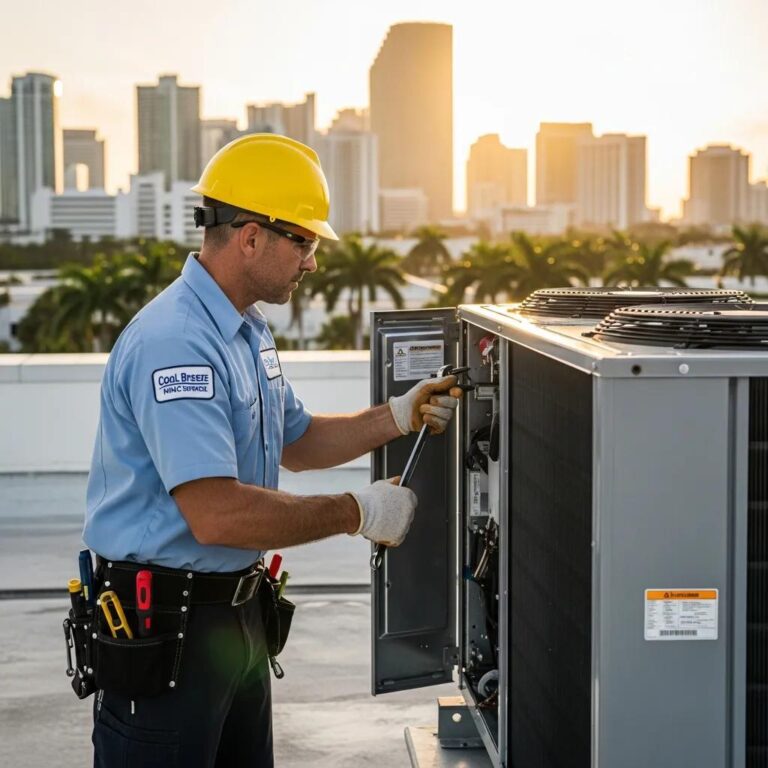
Professional tune-ups are vital for optimizing performance, reducing unexpected downtime, and ultimately saving you money on both energy and repairs. During a tune-up, certified technicians meticulously check refrigerant levels, tighten electrical connections, clean evaporator and condenser coils, and inspect all moving parts for wear and tear. Catching minor issues early not only lowers potential repair costs but also extends the overall equipment life, helps maintain healthy indoor air quality, and ensures the safety of your system by identifying potential hazards before they become critical.
When Should You Replace Air Filters to Maximize Savings?
You should replace air filters every 1 to 3 months, depending on the specific filter type, the level of household activity (e.g., pets, allergies), and local environmental conditions. Dirty or clogged filters severely restrict airflow, forcing your system to work much harder to circulate air, which significantly increases energy use and reduces indoor air quality by allowing more dust and allergens to pass through. Regular filter changes are a low-cost, high-impact way to protect your system’s efficiency, maintain optimal comfort, and ensure cleaner air for your family.
How Can Smart Thermostats Help You Save on Home Cooling Energy?

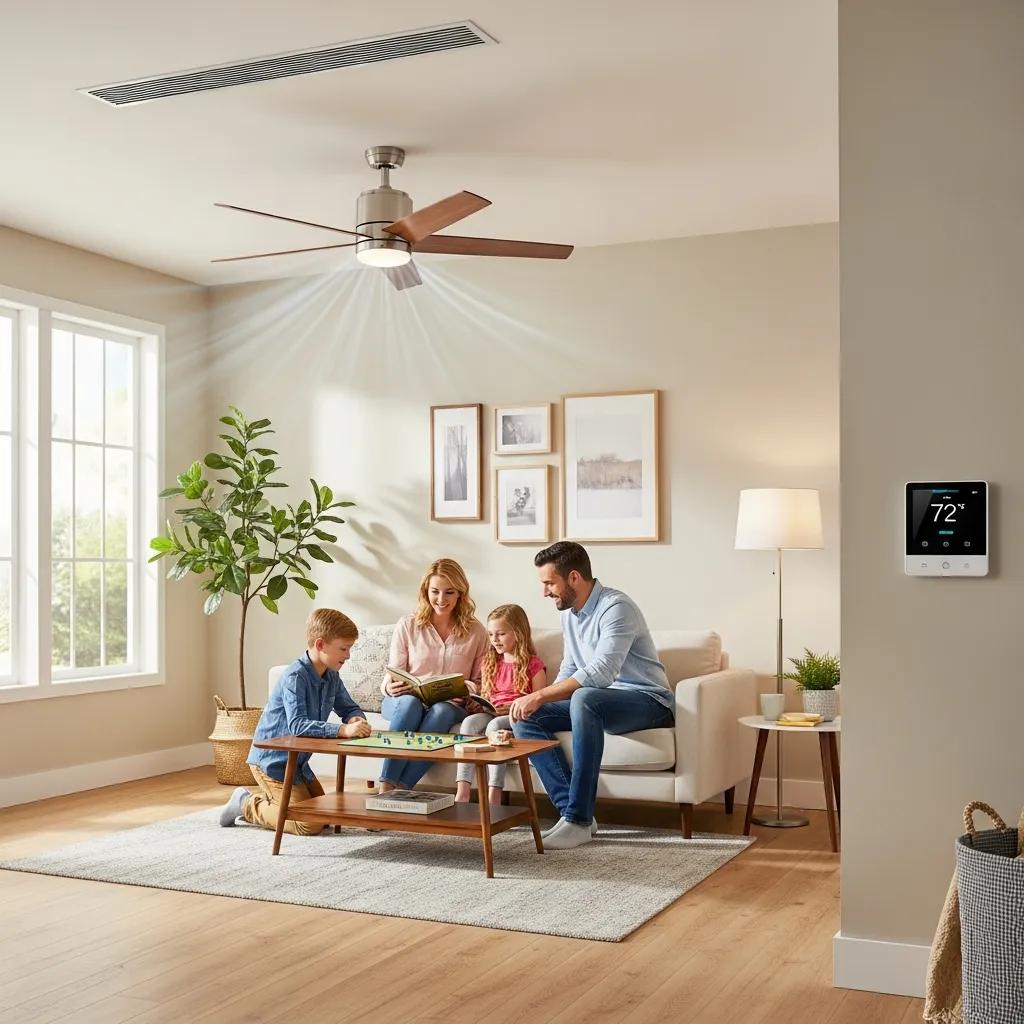
Smart thermostats are a powerful tool for cutting cooling costs by intelligently learning your daily schedule and adjusting temperatures automatically based on your presence and preferences. They prevent wasted cooling when you’re away from home and strategically reduce the workload on your AC unit during off-peak hours. Even small, seemingly insignificant changes—like raising the setpoint a few degrees while you’re at work or asleep—can accumulate into meaningful savings on your monthly utility bills, making them a smart investment for any homeowner.
What Are the Benefits of Programmable and Wi-Fi Thermostats?
Programmable and Wi‑Fi thermostats offer unparalleled convenience and control, allowing you to set efficient schedules that perfectly match your routine, ensuring you’re not cooling an empty house. With remote access capabilities, you can check or change settings from your phone, tablet, or computer, no matter where you are. This flexibility ensures optimal comfort when you need it and maximum savings when you don’t, providing peace of mind and greater control over your home’s energy consumption.
How Should You Set Your Thermostat for Efficient HVAC Operation?
- Adjust Temperature Settings: Raise the thermostat a few degrees when you’re away from home or asleep to significantly reduce system runtime and conserve energy. Even a small adjustment can make a big difference over time.
- Use Programmable Thermostats: Leverage the scheduling features of programmable thermostats to automate comfort. Set specific temperatures for different times of day, ensuring your system runs less when no one is home and ramps up just before you arrive.
- Monitor Performance: Regularly ensure the thermostat is accurately calibrated and consistently maintaining the set temperature. Inconsistencies might indicate a sensor issue or a problem with your HVAC system that needs attention.
- Keep Windows and Doors Closed: This fundamental step is critical. Prevent cool air from escaping and warm air from entering by keeping all windows and doors tightly closed when your AC is running. This avoids extra strain on the AC unit and maintains desired indoor temperatures more efficiently.
These simple habits, when consistently applied, not only improve your HVAC system’s efficiency but can also significantly extend its operational life, delaying the need for costly replacements.
What Home Improvements Enhance HVAC Energy Efficiency?
- High Energy-Efficiency HVAC Systems: Opt for units with variable-speed motors and smart controls that can precisely match output to demand, drastically reducing energy waste compared to older, single-speed models.
- Zoning Capabilities: Implement zoning systems to control temperatures independently in different areas of your home. This allows you to only cool or heat the rooms you are actively using, leading to substantial energy savings.
- Advanced Filtration Systems: Install high-efficiency filters (like HEPA options) that not only trap allergens and pollutants but also help the system operate more smoothly by preventing dust buildup on internal components.
- Smart Technology Integration: Embrace remote monitoring and control features that let you fine-tune settings for maximum savings, even when you’re away, and provide valuable insights into your energy usage patterns.
- Proper Insulation and Sealing: Ensure your home has adequate insulation in walls, attics, and floors. Good insulation acts as a barrier, keeping conditioned air where it belongs and significantly reducing the workload on your HVAC system.
- Duct Cleaning and Sealing: Regularly cleaning and sealing your ductwork prevents conditioned air from leaking into unconditioned spaces. Fixing these leaks improves overall system performance and ensures air reaches its intended destination efficiently.
How Does Duct Sealing Prevent Energy Loss?

Sealing ducts is a critical step that stops conditioned air from escaping into unconditioned areas like attics, crawl spaces, or wall cavities before it ever reaches your living spaces. This means your HVAC system doesn’t have to run as long or work as hard to maintain your desired indoor temperature, directly lowering energy use and smoothing out temperature differences across the home. Properly sealed ducts often lead to noticeable savings on monthly utility bills and contribute to a more consistent and comfortable indoor environment. Research further emphasizes the critical role of effective duct sealing in preventing energy waste, highlighting it as one of the most cost-effective home improvements for energy efficiency.
Why Is Proper Insulation Crucial for Lowering AC Costs?
Proper insulation acts as a thermal barrier, keeping cool air inside your home during the summer and preventing hot air from infiltrating from the outside. This significantly reduces the workload on your AC unit, as it doesn’t have to constantly fight against heat gain. Combined with tight windows and doors, good insulation minimizes energy transfer, leading to lower energy use, reduced utility bills, and helping your system run more efficiently for a longer lifespan. It creates a more stable indoor climate, reducing temperature fluctuations and enhancing overall comfort.
When Should You Upgrade to an Energy-Efficient HVAC System?
- If your system is 10–15 years old—older equipment usually runs less efficiently than modern models due to advancements in technology and stricter energy standards.
- If energy bills climb even with normal use, your system may be losing efficiency, indicating it’s working harder to achieve the same results.
- If you’re calling for frequent repairs or experiencing repeated breakdowns, replacement can often be more cost-effective than pouring money into an aging, unreliable unit.
- If you have uneven heating or cooling, it may be a sign your system can’t meet your home’s needs reliably, leading to hot and cold spots throughout the house.
Those signs collectively point to a worthwhile investment: a newer, energy-efficient model can dramatically boost comfort, significantly reduce operating costs, and improve indoor air quality, providing a substantial return on investment over its lifespan.
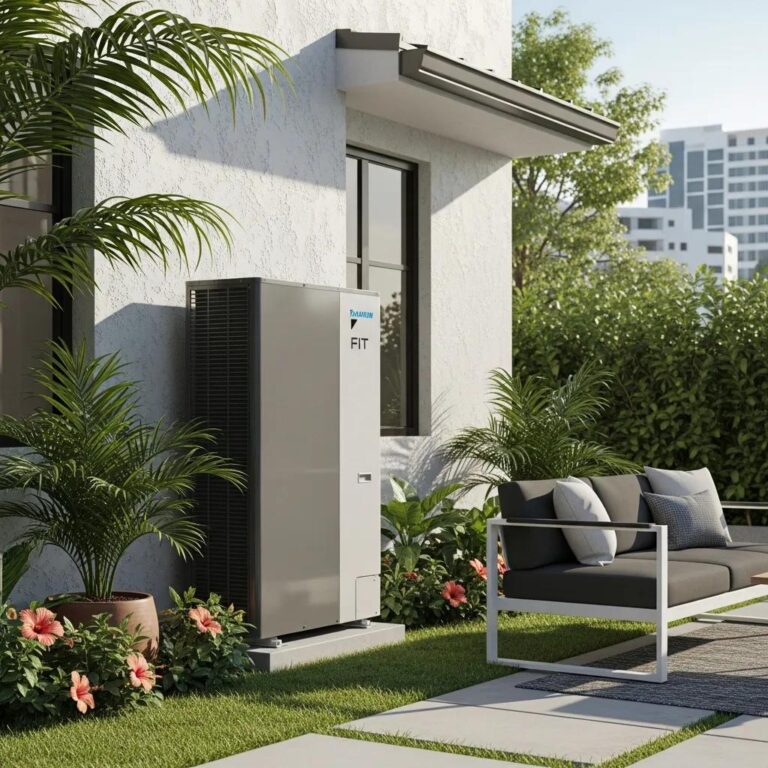
What Are the Advantages of High-Efficiency Daikin Units?
Daikin units are renowned for their cutting-edge technology and superior performance, offering a multitude of advantages for homeowners seeking efficiency and comfort.
- Energy Efficiency: Daikin’s advanced inverter technology allows units to run at variable speeds, precisely matching output to demand. This intelligent operation saves significant energy and dramatically lowers utility bills compared to conventional systems.
- Quiet Operation: Engineered with precision, Daikin systems are designed for minimal noise, ensuring your home remains a peaceful and tranquil sanctuary without the distraction of a loud HVAC unit.
- Advanced Air Purification: Equipped with high-efficiency filters, Daikin units effectively capture dust, allergens, pet dander, and many other airborne contaminants, significantly improving indoor air quality for a healthier living environment.
- Smart Thermostat Integration: The Daikin One+ smart thermostat seamlessly connects to your smartphone, offering remote control, customizable scheduling, and detailed energy tracking, putting complete control at your fingertips.
- Durability and Low Maintenance: Built with high-quality components and rigorous manufacturing standards, Daikin systems are known for their exceptional durability, leading to a longer service life and fewer visits from technicians.
- Eco-Friendly: Daikin is committed to sustainable practices, focusing on efficient designs and refrigerants that lower environmental impact and contribute to a greener planet.
- Zone Control: Many Daikin split systems offer zone control capabilities, allowing you to set different temperatures in different areas of your home for personalized comfort and even greater energy savings.
- Reliable Performance: Daikin units are engineered for consistent cooling and heating performance, ensuring fewer service issues and dependable comfort year-round, even in extreme weather conditions.
How Can Financing and Promotions Make Upgrades Affordable?
Financing options make it significantly easier to replace older, inefficient systems by spreading the cost into manageable monthly payments, removing the barrier of a large upfront expense. Programs like Synchrony offer flexible financing plans, including attractive low monthly payments and deferred interest options for qualified buyers. When combined with seasonal promotions and manufacturer rebates, these offers help homeowners upgrade to a modern, energy-efficient system without straining their budget. We also highlight current promotional offers that can further reduce the overall cost of a new system or service, making energy efficiency more accessible than ever.
If you have any questions about these energy-saving tips or require professional assistance with your HVAC system, please don’t hesitate to contact us. Our team of experts is ready to provide clear advice, reliable service, and tailored solutions to meet your home’s specific needs.
Conclusion
Taking simple, proactive steps—such as scheduling regular maintenance, utilizing smart controls, ensuring proper duct sealing, and upgrading your system when necessary—delivers real, tangible savings on your utility bills and significantly enhances your home’s comfort. You don’t have to overhaul everything at once; even starting with a professional tune-up or a smart thermostat upgrade can yield immediate benefits. We encourage you to reach out if you’d like a free assessment of your current HVAC system and personalized recommendations. Remember, small changes today consistently add up to lower bills, a more efficient home, and a more comfortable living environment for years to come.